What Do Humans and Trees Have in Common?
From the way we use water and nutrients to how we regulate temperature, humans and trees share more similarities than most people realize. One major challenge we both face is tree stress, a condition that affects growth, health, and long-term survival.
Everyone understands how stress affects the human body. Busy schedules, limited time, and poor sleep eventually take a toll. Chronic stress causes body aches, headaches, sleep issues, weight gain, and weakened immune function. Many people do not realize that trees experience stress in much the same way.
What Are Stress Factors for Trees?
Trees in our area encounter many environmental and human-related stressors. Because these factors often overlap and interact, identifying the source of stress early becomes especially important. For this reason, early evaluation plays a critical role in long-term tree health. At Arbor Aesthetics, we help property owners identify and reduce tree stress before it leads to decline or failure.
- Air Pollution
To begin with, one of the most common yet overlooked stressors is air pollution. Dust and airborne pollutants block photosynthesis and interfere with transpirational cooling, which causes trees to overheat. In addition, ozone and acid rain damage bark and disrupt soil pH, increasing stress levels. As a result, stressed trees may release volatile carbon compounds that further contribute to air pollution.
- Improper or Excessive Pruning
In addition to air pollution, improper pruning often creates significant stress. Removing too many branches at once weakens trees by reducing energy production and creating wounds. Furthermore, sudden exposure to sunlight damages bark and increases stress. For this reason, proper pruning techniques play a key role in protecting long-term tree health.
- Poor Soil Conditions
Beyond pruning practices, soil conditions strongly influence tree vitality. Construction activity, foot traffic, and low-quality topsoil compact soil and restrict oxygen flow to roots. Consequently, roots struggle to function properly and absorb nutrients. However, healthy soil structure and organic matter, such as compost, support root function and help reduce stress.
- Urban Heat and Light Pollution
Likewise, urban environments create additional challenges. Heat island effects raise temperatures and increase water demand, while artificial lighting disrupts natural growth cycles. Together, these factors place additional strain on trees, especially in developed areas.
- Storm Damage
While environmental stress often builds gradually, storms can cause immediate damage. Broken limbs and structural injuries increase vulnerability to decay and pests. Therefore, prompt corrective pruning after storms helps trees recover, which explains why arborists should assess trees following severe weather.
- Moisture and Nutrient Imbalance
Finally, water and nutrient balance plays a critical role in tree health. Both overwatering and drought stress trees. As a result, trees struggle to transport nutrients from roots to canopy. At the same time, proper soil pH ensures nutrient availability and absorption, supporting overall vitality.
- Protect Your Trees with Arbor Aesthetics
Ultimately, reducing tree stress improves longevity, safety, and appearance. For this reason, Arbor Aesthetics delivers professional tree care services that support healthy trees in our local environment.
What Does Tree Stress Look Like?
Tree stress produces visible warning signs long before failure occurs. Early recognition allows corrective action that improves long-term health. Arbor Aesthetics helps property owners identify and address tree stress early.
- Canopy Dieback
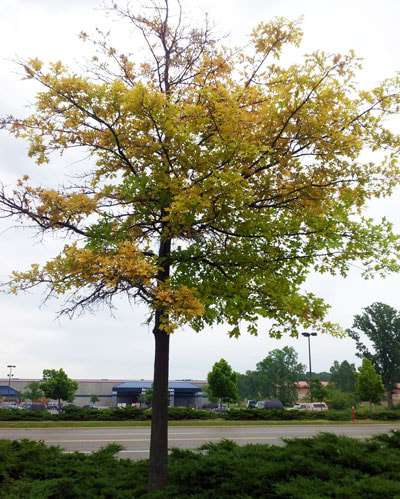
Canopy dieback appears when trees bloom later than normal or drop leaves earlier in the fall. The upper canopy looks thin, with smaller, paler leaves. Comparing your tree to nearby trees of the same species helps reveal abnormal growth patterns.
- Water Sprouts
Water sprouts grow from trunks or major branches. These fast-growing shoots attach weakly and signal stress. Excessive sprouting reflects a survival response, similar to a tree gasping for air.
- Wilting Leaves
Leaves and needles rely on turgor pressure to hold their shape. Low moisture levels cause leaves to wilt, curl, or lose luster. Proper hydration keeps foliage firm and healthy, much like hydration benefits human skin.
- Early Fall Color
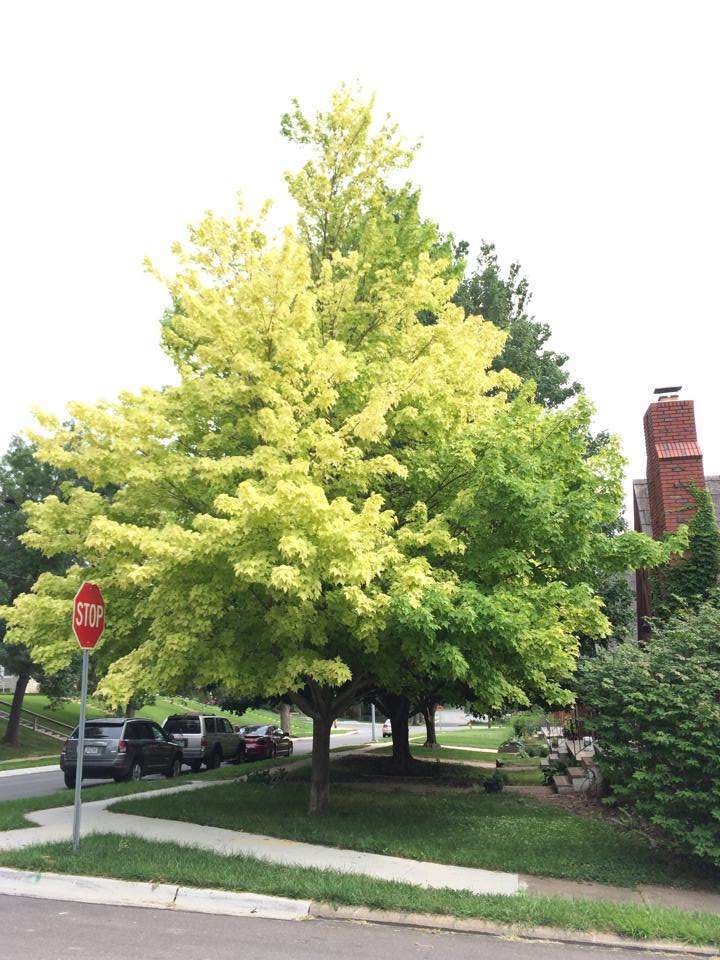
Trees that change color early experience stress. Nutrient imbalances, including poor iron or manganese absorption, trigger premature fall color. Soil conditions and pH strongly influence this response.
What Can I Do to Reduce Tree Stress?
Preventing tree stress requires thoughtful planning and consistent care. Arbor Aesthetics works with homeowners and property managers to help trees thrive.
- Right Tree, Right Place
Selecting a tree suited to your region sets the foundation for long-term health. Proper placement ensures adequate space, moisture, sunlight, suitable soil, and minimal foot traffic. Matching species to site conditions prevents future stress.
- Water Properly Year-Round
Many people overlook winter watering, yet trees need water during dry winter periods. On warmer days, deep watering prevents drought stress and supports root health.
- Avoid Soil Compaction
Soil compaction restricts oxygen and water movement to roots. Keep foot traffic, vehicles, and equipment away from the trunk and drip line. Protect root zones during nearby construction.
- Prune Conservatively
Over-pruning causes tree stress. Never remove more than one-third of a tree’s canopy in a single season. Excessive pruning depletes energy reserves and triggers stress responses. A Certified Arborist knows how much pruning trees can tolerate.
- Talk to a Certified Arborist
If you suspect tree stress, early intervention improves outcomes. Arbor Aesthetics offers professional evaluations and customized care plans that promote healthy roots, proper nutrient absorption, and long-term tree vitality.
Resources
https://www.arborday.org/perspectives/are-your-trees-stressed