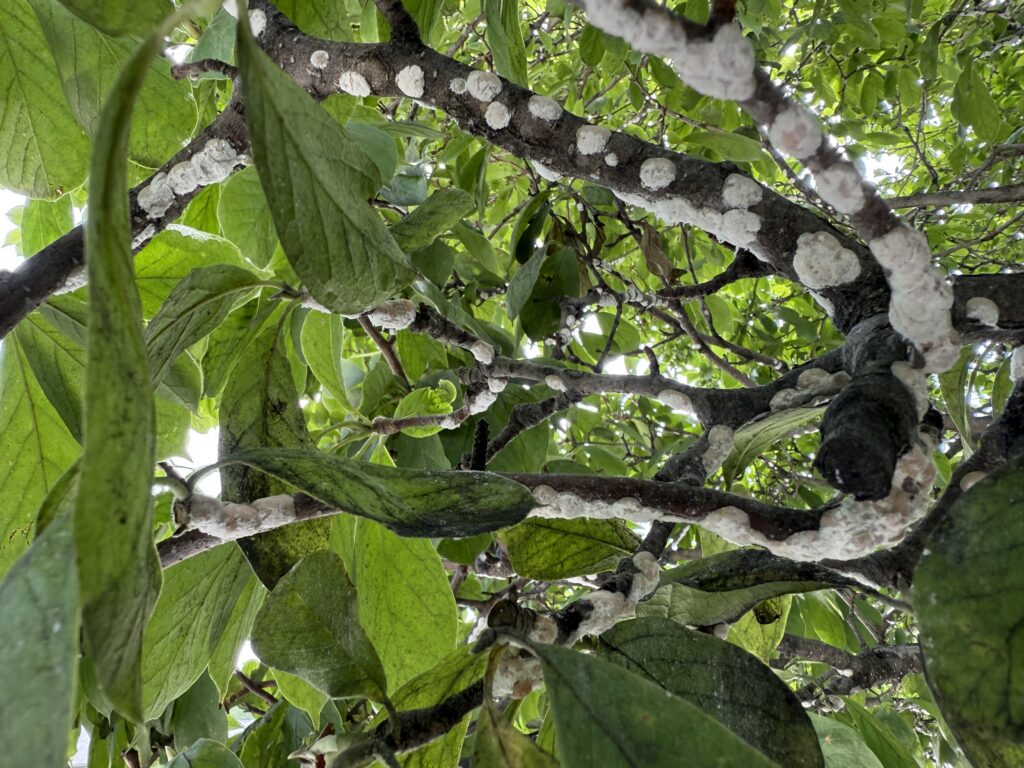
Mimosa Webworm If you’ve noticed browning clusters of leaves on your honeylocust or mimosa trees, wrapped in messy webs, you may be dealing with mimosa webworm. These web-building caterpillars feed on foliage, causing the tree to appear scorched from midsummer through fall. What seems to be an emerging pattern here in Omaha is that we’re …
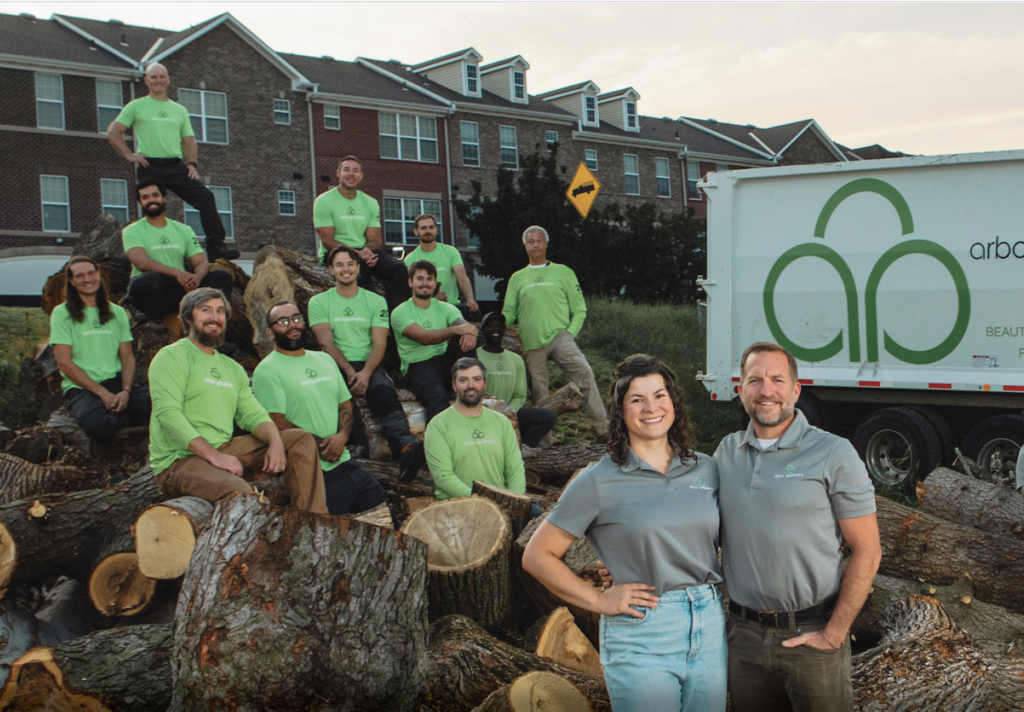
...From Humble Beginnings to a Thriving Legacy This year marks an extraordinary milestone—20 years of Arbor Aesthetics Tree Service serving the Omaha community with heart, hustle, and a commitment to excellence. What began as a one-man operation with a hand saw, a ladder, and a borrowed pickup truck has blossomed into a thriving tree care …
...The Emerald Ash Borer is a highly destructive pest that specifically targets ash trees, leading to significant tree mortality. Understanding its life cycle and behavior is crucial for effective management and prevention strategies.
This invasive beetle, first discovered in North America in 2002, can kill an ash tree within a few years of infestation. Homeowners should be vigilant for signs of EAB, such as thinning foliage, D-shaped exit holes, and bark splitting, to take timely action.
Identifying the signs of an Emerald Ash Borer infestation early can save your trees and prevent the spread of this pest. Knowing what to look for allows homeowners to act before the damage becomes irreversible.
Common indicators include leaf discoloration, premature leaf drop, and the presence of woodpecker activity, which often targets infested trees. Regular inspections of ash trees, especially in areas known for EAB presence, are essential for early detection.
Maintaining the health of your trees is vital for their resilience against pests like the Emerald Ash Borer. Implementing effective tree care practices can significantly improve tree vigor and longevity.
Regular watering, proper mulching, and appropriate pruning are key practices that enhance tree health. Additionally, fertilizing and monitoring for pests can help ensure that your trees remain strong and less susceptible to infestations.
Community involvement plays a crucial role in promoting tree health and managing pests like the Emerald Ash Borer. Collaborative efforts can lead to more effective strategies and increased awareness among residents.
Local initiatives, such as tree planting events and educational workshops, not only enhance urban forestry but also empower community members with the knowledge to protect their trees. Engaging with local organizations can provide resources and support for maintaining healthy trees.
The Emerald Ash Borer is a highly destructive pest that specifically targets ash trees, leading to significant tree mortality. Understanding its life cycle and behavior is crucial for effective management and prevention strategies.
This invasive beetle, first discovered in North America in 2002, can kill an ash tree within a few years of infestation. Homeowners should be vigilant for signs of EAB, such as thinning foliage, D-shaped exit holes, and bark splitting, to take timely action.
Identifying the signs of an Emerald Ash Borer infestation early can save your trees and prevent the spread of this pest. Knowing what to look for allows homeowners to act before the damage becomes irreversible.
Common indicators include leaf discoloration, premature leaf drop, and the presence of woodpecker activity, which often targets infested trees. Regular inspections of ash trees, especially in areas known for EAB presence, are essential for early detection.
Maintaining the health of your trees is vital for their resilience against pests like the Emerald Ash Borer. Implementing effective tree care practices can significantly improve tree vigor and longevity.
Regular watering, proper mulching, and appropriate pruning are key practices that enhance tree health. Additionally, fertilizing and monitoring for pests can help ensure that your trees remain strong and less susceptible to infestations.
Community involvement plays a crucial role in promoting tree health and managing pests like the Emerald Ash Borer. Collaborative efforts can lead to more effective strategies and increased awareness among residents.
Local initiatives, such as tree planting events and educational workshops, not only enhance urban forestry but also empower community members with the knowledge to protect their trees. Engaging with local organizations can provide resources and support for maintaining healthy trees.