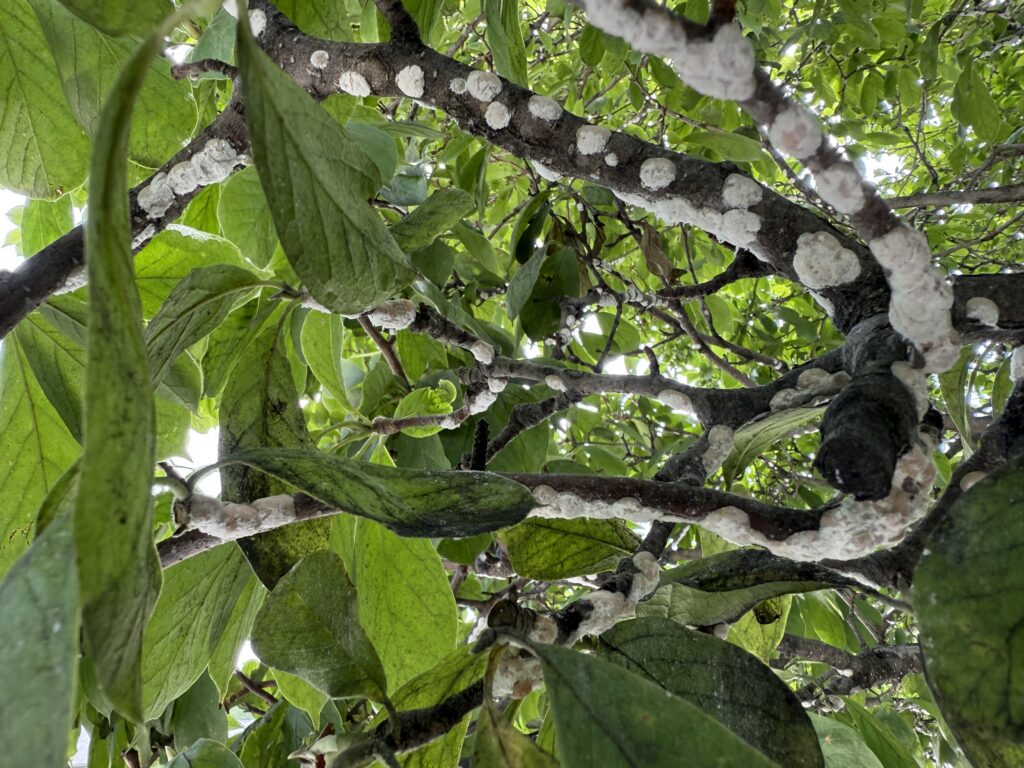
Mimosa Webworm If you’ve noticed browning clusters of leaves on your honeylocust or mimosa trees, wrapped in messy webs, you may be dealing with mimosa webworm. These web-building caterpillars feed on foliage, causing the tree to appear scorched from midsummer through fall. What seems to be an emerging pattern here in Omaha is that we’re …
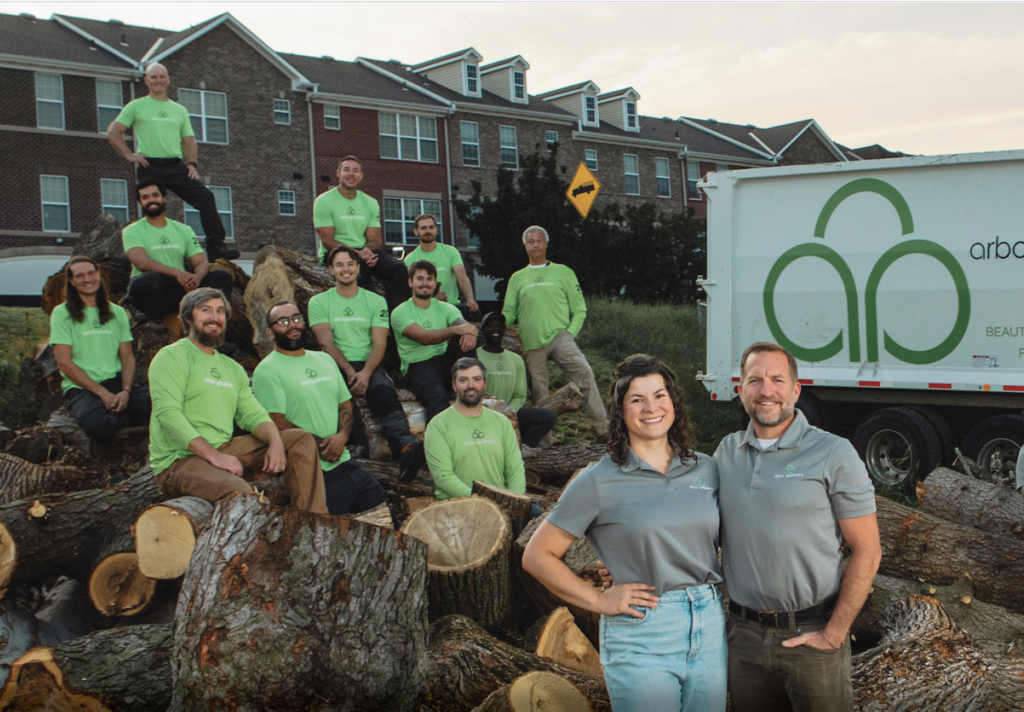
...From Humble Beginnings to a Thriving Legacy This year marks an extraordinary milestone—20 years of Arbor Aesthetics Tree Service serving the Omaha community with heart, hustle, and a commitment to excellence. What began as a one-man operation with a hand saw, a ladder, and a borrowed pickup truck has blossomed into a thriving tree care …
...Homeowners often seek practical advice on maintaining the health and appearance of their trees. Essential tree care tips include regular inspections, proper watering techniques, and understanding seasonal needs. By following these guidelines, you can ensure that your trees thrive in your landscape.
For instance, inspecting trees for signs of disease or pest infestations can help catch problems early. Additionally, watering deeply during dry spells encourages stronger root systems, which is crucial for urban trees exposed to stressors like compacted soil and pollution.
Understanding common tree diseases is vital for maintaining a healthy urban forest. Many trees are susceptible to diseases caused by fungi, bacteria, and environmental stressors. Recognizing the symptoms of these diseases can help you take timely action to protect your trees.
For example, leaf spot diseases often manifest as discolored patches on leaves, while root rot can be identified by wilting or yellowing foliage. Consulting with a tree care professional can provide insights into appropriate treatments and preventive measures for these issues.
Professional tree trimming offers numerous benefits, including improved tree health, enhanced aesthetics, and increased safety. Regular trimming helps remove dead or diseased branches, allowing the tree to focus its energy on healthy growth. This practice not only promotes a fuller canopy but also reduces the risk of falling branches during storms.
Moreover, a well-trimmed tree can significantly enhance the visual appeal of your property. For instance, strategically pruning branches can create a more balanced shape and allow sunlight to reach lower foliage, fostering a healthier tree overall.
Choosing the right tree for your landscape is crucial for long-term success and satisfaction. Factors such as soil type, sunlight exposure, and available space should guide your selection process. It's important to choose species that are well-suited to your local climate and that won't outgrow their designated area.
For example, native trees often require less maintenance and are more resistant to local pests and diseases. Consulting with a local arborist can provide valuable insights into the best tree varieties for your specific landscape conditions, ensuring a thriving and sustainable environment.