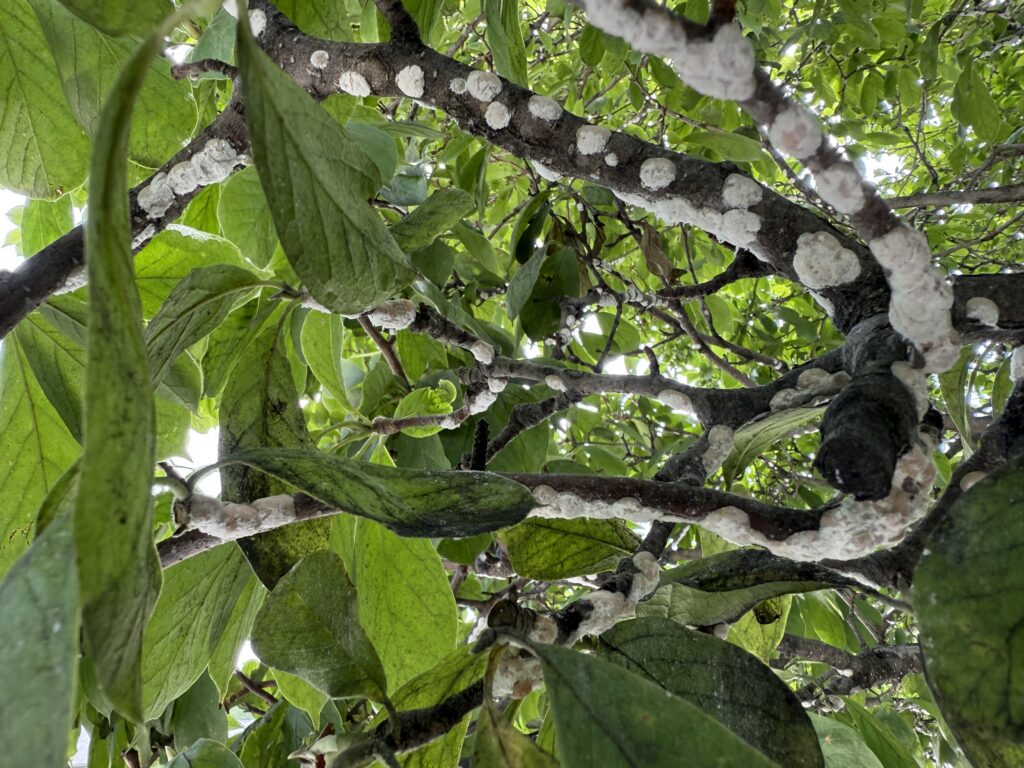
Mimosa Webworm If you’ve noticed browning clusters of leaves on your honeylocust or mimosa trees, wrapped in messy webs, you may be dealing with mimosa webworm. These web-building caterpillars feed on foliage, causing the tree to appear scorched from midsummer through fall. What seems to be an emerging pattern here in Omaha is that we’re …
...From Humble Beginnings to a Thriving Legacy This year marks an extraordinary milestone—20 years of Arbor Aesthetics Tree Service serving the Omaha community with heart, hustle, and a commitment to excellence. What began as a one-man operation with a hand saw, a ladder, and a borrowed pickup truck has blossomed into a thriving tree care …
...Maintaining the health of your trees is crucial for their longevity and the overall beauty of your landscape. Regular assessments and care routines can prevent common issues and enhance growth.
For instance, monitoring soil moisture, inspecting for pests, and ensuring proper pruning techniques are essential practices. Engaging with a professional tree service can provide tailored care plans that suit the specific needs of your trees, ensuring they thrive in an urban environment.
Tree pests can significantly impact the health of your trees if not addressed promptly. Understanding the types of pests that commonly affect trees in Omaha is vital for effective management.
For example, the Mimosa Webworm, which can damage honeylocust trees, requires targeted treatments to mitigate its effects. Regular inspections and applying the right pest control methods can help protect your trees from infestations and maintain their vitality.
Investing in professional tree care services offers numerous advantages, including expert knowledge and equipment that homeowners may not possess. Professional arborists can assess tree health, provide specialized treatments, and ensure safe tree removal when necessary.
Moreover, these services can help enhance the aesthetic appeal of your property, increase property value, and contribute to a healthier urban ecosystem. Regular consultations with tree care experts can lead to informed decisions that benefit both your trees and your landscape.
Seasonal changes greatly affect tree care routines. Understanding these changes can help you implement the best practices for your trees throughout the year.
For example, in spring, it’s essential to monitor for new growth and pests, while in fall, preparing trees for winter through proper pruning and mulching can protect them from harsh conditions. Tailoring your care strategies to the seasons ensures your trees remain healthy and resilient year-round.
Maintaining the health of your trees is crucial for their longevity and the overall beauty of your landscape. Regular assessments and care routines can prevent common issues and enhance growth.
For instance, monitoring soil moisture, inspecting for pests, and ensuring proper pruning techniques are essential practices. Engaging with a professional tree service can provide tailored care plans that suit the specific needs of your trees, ensuring they thrive in an urban environment.
Tree pests can significantly impact the health of your trees if not addressed promptly. Understanding the types of pests that commonly affect trees in Omaha is vital for effective management.
For example, the Mimosa Webworm, which can damage honeylocust trees, requires targeted treatments to mitigate its effects. Regular inspections and applying the right pest control methods can help protect your trees from infestations and maintain their vitality.
Investing in professional tree care services offers numerous advantages, including expert knowledge and equipment that homeowners may not possess. Professional arborists can assess tree health, provide specialized treatments, and ensure safe tree removal when necessary.
Moreover, these services can help enhance the aesthetic appeal of your property, increase property value, and contribute to a healthier urban ecosystem. Regular consultations with tree care experts can lead to informed decisions that benefit both your trees and your landscape.
Seasonal changes greatly affect tree care routines. Understanding these changes can help you implement the best practices for your trees throughout the year.
For example, in spring, it’s essential to monitor for new growth and pests, while in fall, preparing trees for winter through proper pruning and mulching can protect them from harsh conditions. Tailoring your care strategies to the seasons ensures your trees remain healthy and resilient year-round.