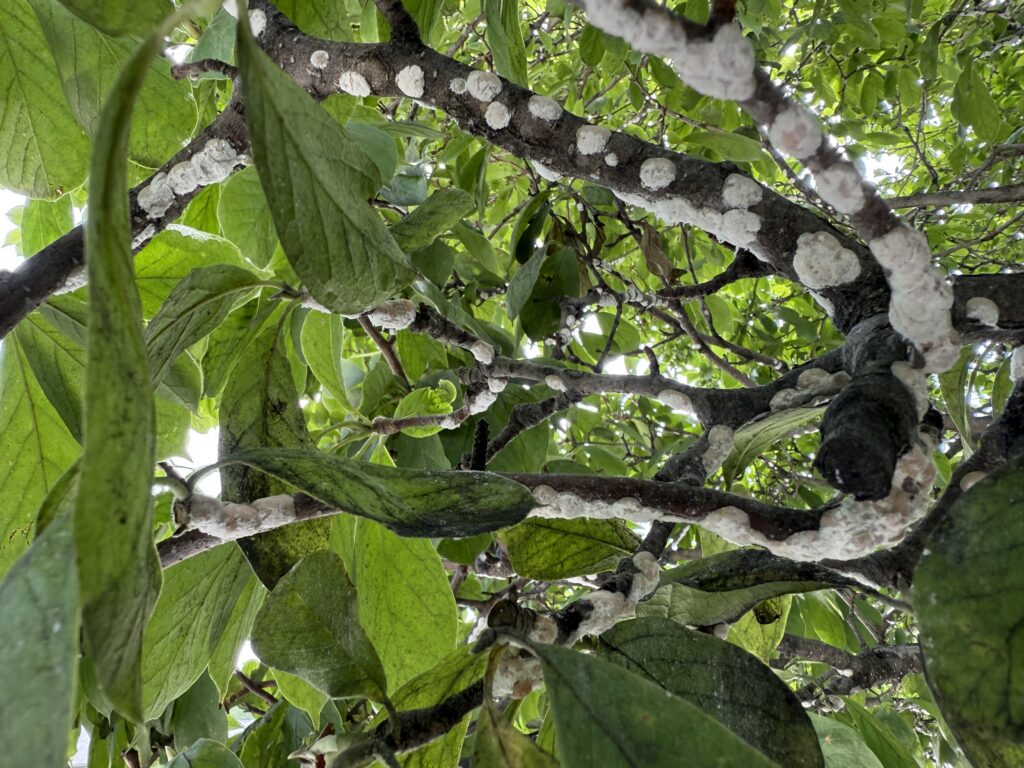
Mimosa Webworm If you’ve noticed browning clusters of leaves on your honeylocust or mimosa trees, wrapped in messy webs, you may be dealing with mimosa webworm. These web-building caterpillars feed on foliage, causing the tree to appear scorched from midsummer through fall. What seems to be an emerging pattern here in Omaha is that we’re …
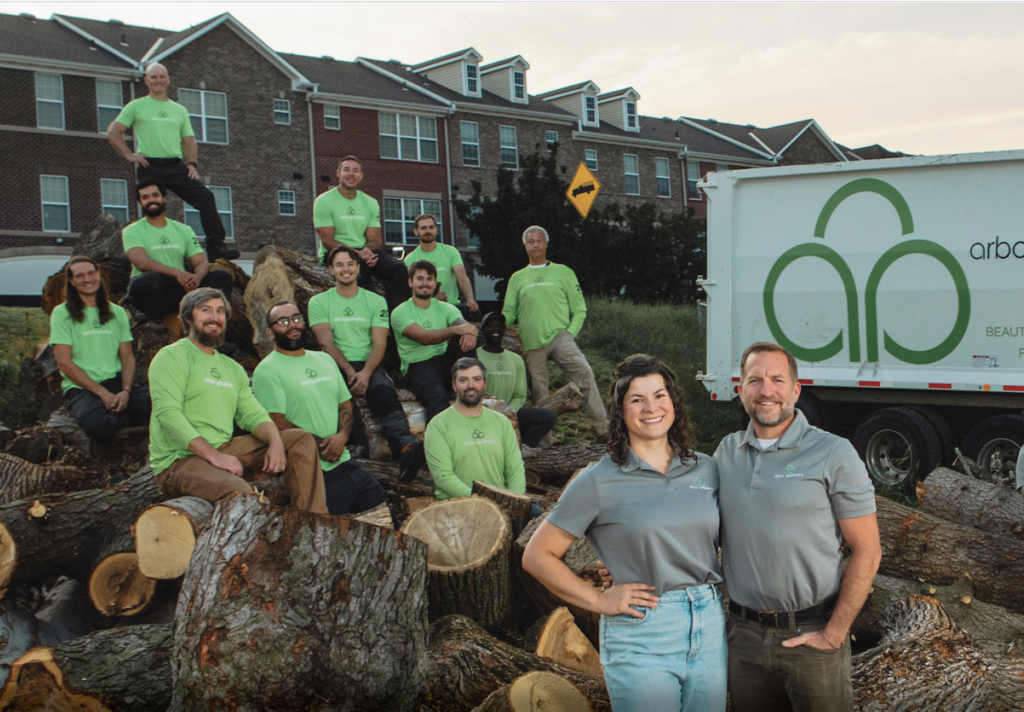
...From Humble Beginnings to a Thriving Legacy This year marks an extraordinary milestone—20 years of Arbor Aesthetics Tree Service serving the Omaha community with heart, hustle, and a commitment to excellence. What began as a one-man operation with a hand saw, a ladder, and a borrowed pickup truck has blossomed into a thriving tree care …
...Recognizing the signs of tree distress is crucial for maintaining a healthy landscape. Trees, like all living organisms, exhibit symptoms when they are unhealthy, including wilting leaves, discoloration, and unusual growth patterns. By understanding these signs, homeowners can take timely action to address potential issues.
For instance, if you notice that your tree's leaves are turning yellow or dropping prematurely, it may indicate a nutrient deficiency or pest infestation. Regular inspections and consultations with tree care professionals can help identify these problems early, ensuring the longevity and beauty of your trees.
Proper tree care is essential for maintaining the health and aesthetics of your landscape. This includes regular watering, mulching, and pruning to promote healthy growth and prevent disease. Homeowners should be aware of the specific needs of their tree species to provide the best care possible.
For example, deciduous trees typically require more water during their growing season, while conifers may need less. Additionally, pruning should be done during the dormant season to reduce stress on the tree. Engaging with a professional tree service can provide tailored care plans to meet the unique needs of your trees.
Tree pests can pose significant threats to the health of your trees. Identifying these pests early and implementing effective management strategies is vital to prevent infestations from spreading. Common pests include aphids, spider mites, and the emerald ash borer, each requiring specific approaches for control.
For instance, the emerald ash borer has devastated ash tree populations across the United States. Homeowners should monitor their trees for signs of infestation, such as thinning canopies and D-shaped exit holes in the bark. Consulting with tree care experts can help determine the best treatment options and preventive measures to protect your trees.
Tree planting in urban environments is crucial for enhancing air quality, providing shade, and improving overall aesthetics. Urban trees play a significant role in combating climate change by absorbing carbon dioxide and releasing oxygen, making them essential for sustainable city living.
Moreover, studies have shown that areas with ample tree cover experience lower temperatures and reduced energy costs for cooling. Community initiatives that promote tree planting not only beautify neighborhoods but also foster a sense of community and environmental responsibility among residents.
Recognizing the signs of tree distress is crucial for maintaining a healthy landscape. Trees, like all living organisms, exhibit symptoms when they are unhealthy, including wilting leaves, discoloration, and unusual growth patterns. By understanding these signs, homeowners can take timely action to address potential issues.
For instance, if you notice that your tree's leaves are turning yellow or dropping prematurely, it may indicate a nutrient deficiency or pest infestation. Regular inspections and consultations with tree care professionals can help identify these problems early, ensuring the longevity and beauty of your trees.
Proper tree care is essential for maintaining the health and aesthetics of your landscape. This includes regular watering, mulching, and pruning to promote healthy growth and prevent disease. Homeowners should be aware of the specific needs of their tree species to provide the best care possible.
For example, deciduous trees typically require more water during their growing season, while conifers may need less. Additionally, pruning should be done during the dormant season to reduce stress on the tree. Engaging with a professional tree service can provide tailored care plans to meet the unique needs of your trees.
Tree pests can pose significant threats to the health of your trees. Identifying these pests early and implementing effective management strategies is vital to prevent infestations from spreading. Common pests include aphids, spider mites, and the emerald ash borer, each requiring specific approaches for control.
For instance, the emerald ash borer has devastated ash tree populations across the United States. Homeowners should monitor their trees for signs of infestation, such as thinning canopies and D-shaped exit holes in the bark. Consulting with tree care experts can help determine the best treatment options and preventive measures to protect your trees.
Tree planting in urban environments is crucial for enhancing air quality, providing shade, and improving overall aesthetics. Urban trees play a significant role in combating climate change by absorbing carbon dioxide and releasing oxygen, making them essential for sustainable city living.
Moreover, studies have shown that areas with ample tree cover experience lower temperatures and reduced energy costs for cooling. Community initiatives that promote tree planting not only beautify neighborhoods but also foster a sense of community and environmental responsibility among residents.