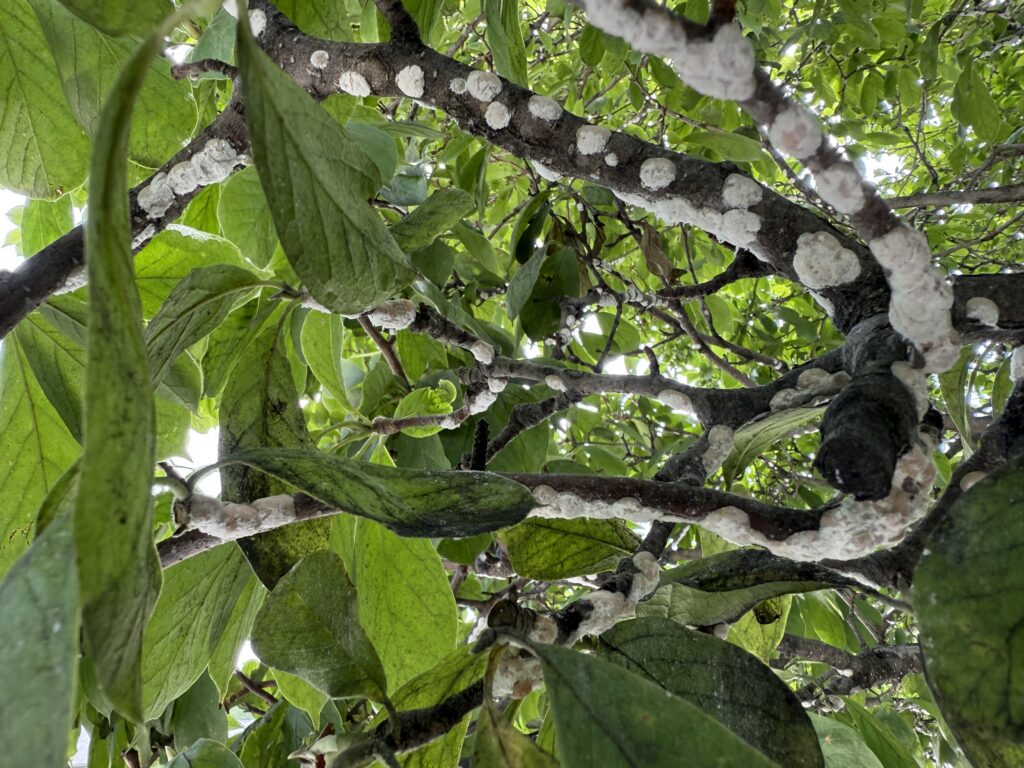
Mimosa Webworm If you’ve noticed browning clusters of leaves on your honeylocust or mimosa trees, wrapped in messy webs, you may be dealing with mimosa webworm. These web-building caterpillars feed on foliage, causing the tree to appear scorched from midsummer through fall. What seems to be an emerging pattern here in Omaha is that we’re …
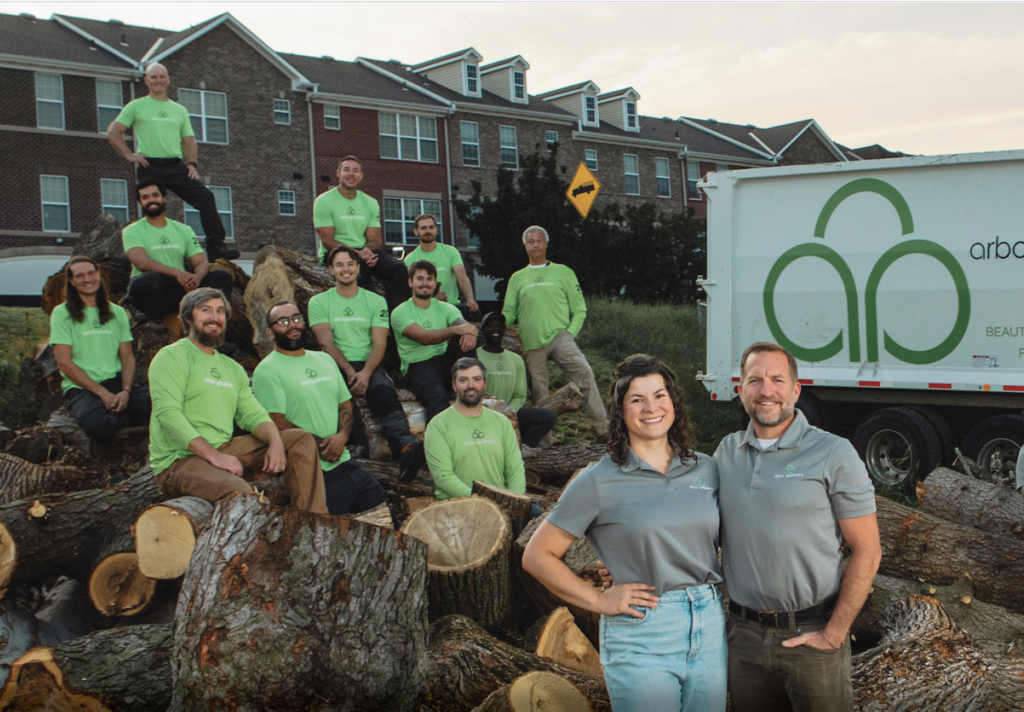
...From Humble Beginnings to a Thriving Legacy This year marks an extraordinary milestone—20 years of Arbor Aesthetics Tree Service serving the Omaha community with heart, hustle, and a commitment to excellence. What began as a one-man operation with a hand saw, a ladder, and a borrowed pickup truck has blossomed into a thriving tree care …
...Proper tree care is crucial for maintaining the health and beauty of your landscape. Homeowners should be aware of the basic practices that contribute to the longevity and vitality of their trees, including regular inspections, proper watering techniques, and timely pruning.
For instance, inspecting trees for signs of disease or pests can help catch issues early, while understanding the specific watering needs of different tree species ensures they receive adequate moisture. Additionally, pruning during the right season promotes healthy growth and prevents potential hazards from dead branches.
Urban areas often face challenges like limited green spaces and air pollution, making tree planting an essential activity for enhancing environmental quality. Trees provide shade, improve air quality, and contribute to the aesthetic appeal of neighborhoods.
In Omaha, initiatives to increase tree planting not only beautify the city but also help combat urban heat islands and promote biodiversity. Community programs that encourage residents to plant trees can significantly impact local ecosystems and improve overall quality of life.
Tree diseases and pests pose significant threats to the health of urban forests. Recognizing the common signs of infestations or infections can empower homeowners and arborists to take timely action, protecting their trees from irreversible damage.
For example, the Mimosa Webworm, which affects Honeylocust trees, can be identified by webbing and defoliation. Educating the community about these threats and providing resources for identification and treatment can lead to healthier urban landscapes.
Engaging the community in tree care initiatives fosters a sense of responsibility and connection to the environment. Programs that involve local volunteers in tree planting and maintenance can significantly enhance community bonds and promote environmental stewardship.
Arbor Aesthetics actively participates in local events that encourage residents to get involved, such as tree planting days and educational workshops. These initiatives not only beautify the area but also instill a deeper appreciation for the urban forest and its benefits.
Proper tree care is crucial for maintaining the health and beauty of your landscape. Homeowners should be aware of the basic practices that contribute to the longevity and vitality of their trees, including regular inspections, proper watering techniques, and timely pruning.
For instance, inspecting trees for signs of disease or pests can help catch issues early, while understanding the specific watering needs of different tree species ensures they receive adequate moisture. Additionally, pruning during the right season promotes healthy growth and prevents potential hazards from dead branches.
Urban areas often face challenges like limited green spaces and air pollution, making tree planting an essential activity for enhancing environmental quality. Trees provide shade, improve air quality, and contribute to the aesthetic appeal of neighborhoods.
In Omaha, initiatives to increase tree planting not only beautify the city but also help combat urban heat islands and promote biodiversity. Community programs that encourage residents to plant trees can significantly impact local ecosystems and improve overall quality of life.
Tree diseases and pests pose significant threats to the health of urban forests. Recognizing the common signs of infestations or infections can empower homeowners and arborists to take timely action, protecting their trees from irreversible damage.
For example, the Mimosa Webworm, which affects Honeylocust trees, can be identified by webbing and defoliation. Educating the community about these threats and providing resources for identification and treatment can lead to healthier urban landscapes.
Engaging the community in tree care initiatives fosters a sense of responsibility and connection to the environment. Programs that involve local volunteers in tree planting and maintenance can significantly enhance community bonds and promote environmental stewardship.
Arbor Aesthetics actively participates in local events that encourage residents to get involved, such as tree planting days and educational workshops. These initiatives not only beautify the area but also instill a deeper appreciation for the urban forest and its benefits.