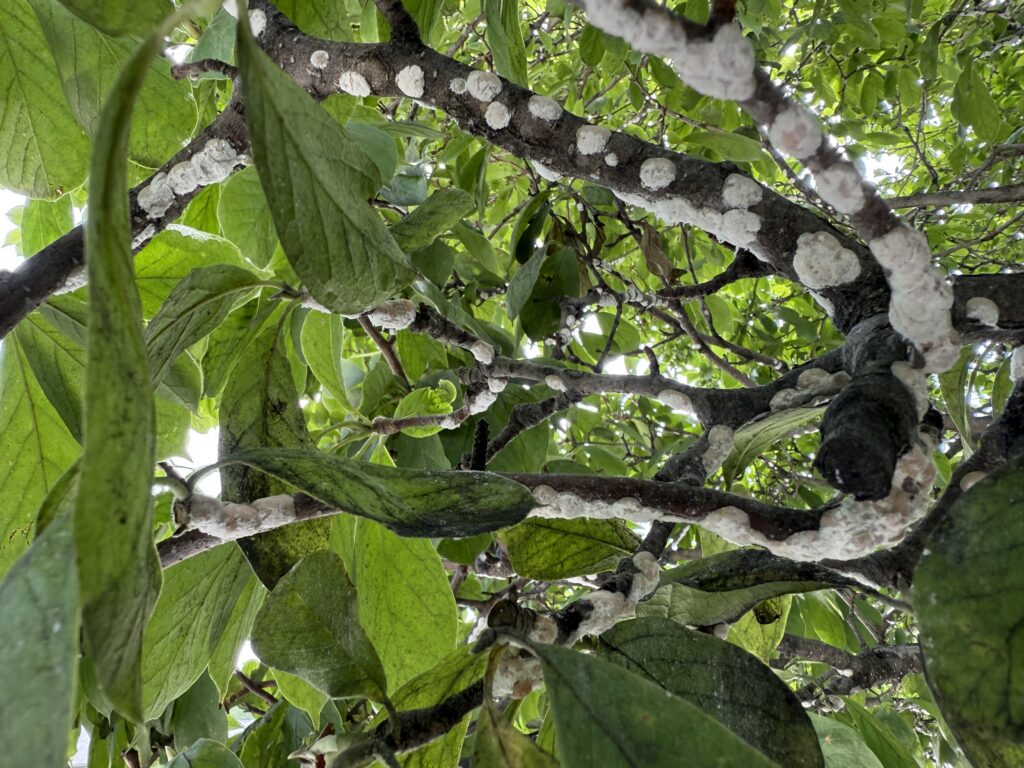
Mimosa Webworm If you’ve noticed browning clusters of leaves on your honeylocust or mimosa trees, wrapped in messy webs, you may be dealing with mimosa webworm. These web-building caterpillars feed on foliage, causing the tree to appear scorched from midsummer through fall. What seems to be an emerging pattern here in Omaha is that we’re …
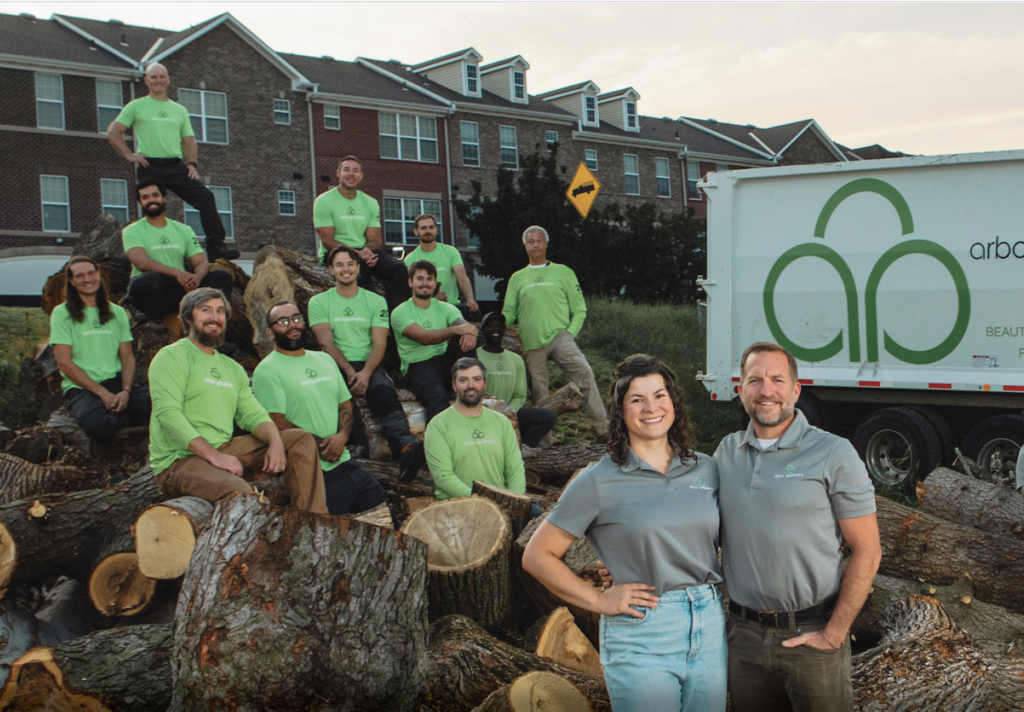
...From Humble Beginnings to a Thriving Legacy This year marks an extraordinary milestone—20 years of Arbor Aesthetics Tree Service serving the Omaha community with heart, hustle, and a commitment to excellence. What began as a one-man operation with a hand saw, a ladder, and a borrowed pickup truck has blossomed into a thriving tree care …
...Urban tree care is crucial for maintaining healthy trees in city landscapes. Unlike trees in natural forests, urban trees face unique challenges such as limited space, soil compaction, and pollution. Proper care involves regular maintenance practices that promote their growth and longevity.
For instance, city planners and tree care professionals often recommend specific pruning techniques to ensure trees can thrive in confined areas. Additionally, soil amendments and proper watering techniques are essential to mitigate the stress that urban trees experience due to environmental factors.
Effective pest management is essential for preserving the health of trees in urban environments. Understanding the common pests that affect trees, such as aphids and borers, allows homeowners and arborists to take proactive measures to protect their trees.
Integrated Pest Management (IPM) is a widely recommended approach that combines cultural, biological, and chemical practices to manage pest populations. For example, introducing natural predators can help control pest populations without harming the trees or the surrounding ecosystem.
Seasonal tree care is vital for ensuring trees remain healthy throughout the year. Different seasons bring specific challenges and opportunities for tree care, making it essential to adapt maintenance practices accordingly.
In spring, for instance, it's important to inspect trees for any winter damage and prune as necessary. During the summer, adequate watering and mulching can help trees cope with heat stress, while fall is the perfect time for soil testing and fertilizing to prepare trees for winter dormancy.
Tree planting is a foundational aspect of urban forestry that contributes to environmental health and community well-being. Trees provide numerous benefits, including improving air quality, reducing urban heat, and enhancing aesthetic appeal.
Moreover, community tree planting initiatives can engage residents and foster a sense of ownership over local green spaces. Programs that educate the public about the ecological benefits of trees can encourage more individuals to participate in planting efforts, ultimately leading to a healthier urban canopy.