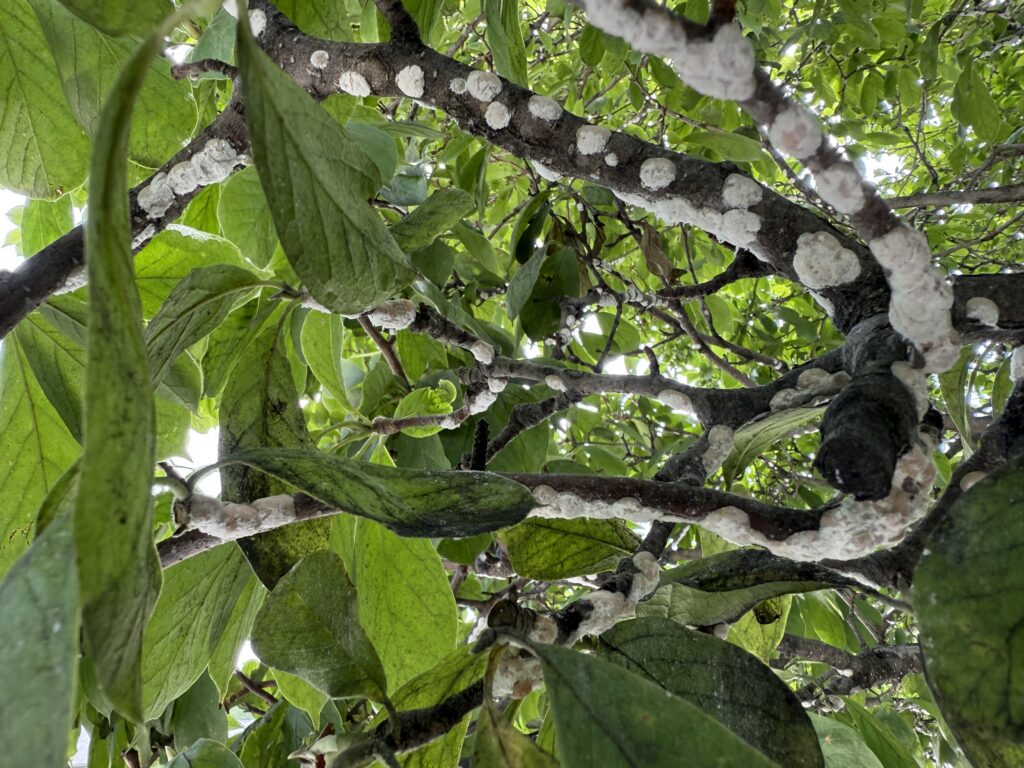
Mimosa Webworm If you’ve noticed browning clusters of leaves on your honeylocust or mimosa trees, wrapped in messy webs, you may be dealing with mimosa webworm. These web-building caterpillars feed on foliage, causing the tree to appear scorched from midsummer through fall. What seems to be an emerging pattern here in Omaha is that we’re …
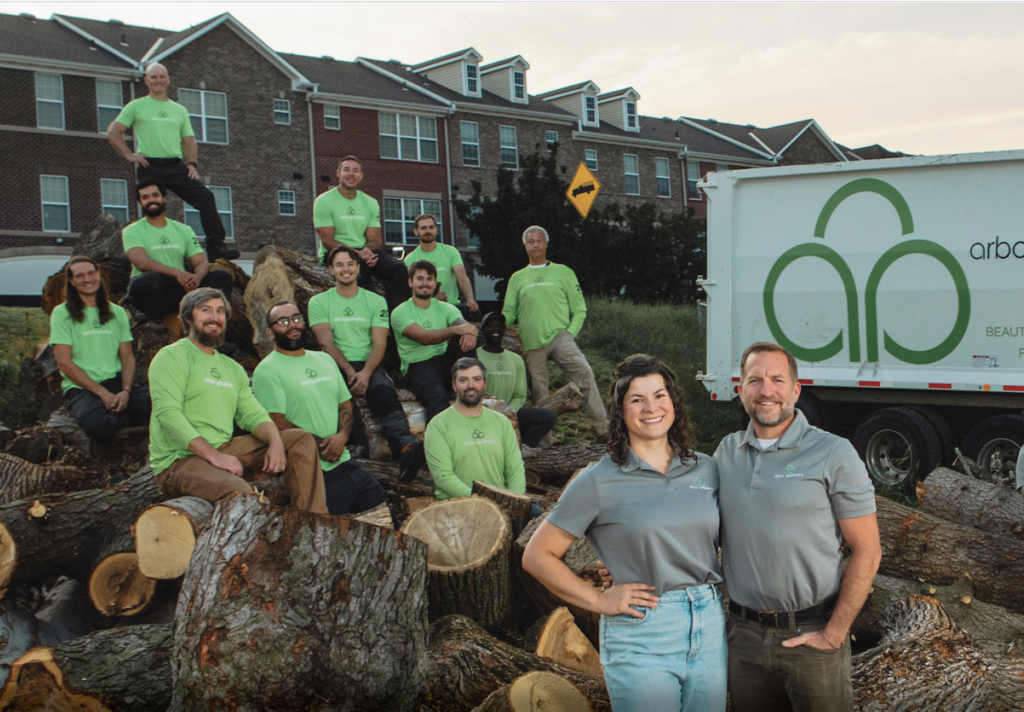
...From Humble Beginnings to a Thriving Legacy This year marks an extraordinary milestone—20 years of Arbor Aesthetics Tree Service serving the Omaha community with heart, hustle, and a commitment to excellence. What began as a one-man operation with a hand saw, a ladder, and a borrowed pickup truck has blossomed into a thriving tree care …
...Proper tree health and maintenance are critical for ensuring the longevity and beauty of your trees. Regular assessments and care routines can prevent common issues and promote robust growth.
For instance, implementing a seasonal check-up can help identify signs of disease or pest infestations early. Additionally, practices such as mulching, proper watering, and nutrient management contribute significantly to tree vitality.
Identifying and addressing common tree diseases is essential for maintaining a healthy landscape. Familiarizing yourself with the symptoms of these diseases can help in early detection and treatment.
For example, leaf spot diseases and root rot are prevalent issues that can severely impact tree health. Utilizing fungicides and ensuring proper drainage can mitigate these problems effectively.
Pruning is a vital practice in tree care that promotes healthy growth and structure. By removing dead or overgrown branches, you can enhance sunlight penetration and air circulation within the tree.
Moreover, strategic pruning can help prevent damage during storms and reduce the risk of disease spread. Professional arborists often recommend seasonal pruning to align with the tree's growth cycle for optimal results.
Selecting the appropriate tree species for your landscape is crucial for aesthetic appeal and ecological balance. Factors such as climate, soil type, and space availability should guide your choice.
For example, native species typically adapt better to local conditions and support local wildlife. Consulting with tree care experts can provide insights into the best options for your specific environment.