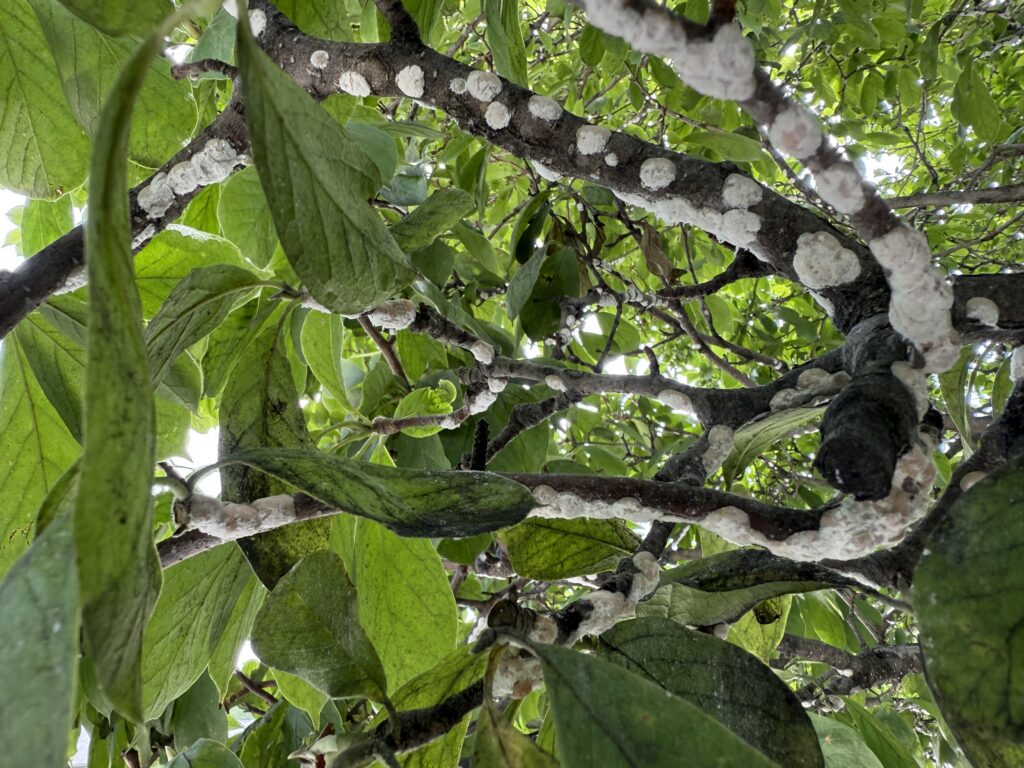
Mimosa Webworm If you’ve noticed browning clusters of leaves on your honeylocust or mimosa trees, wrapped in messy webs, you may be dealing with mimosa webworm. These web-building caterpillars feed on foliage, causing the tree to appear scorched from midsummer through fall. What seems to be an emerging pattern here in Omaha is that we’re …
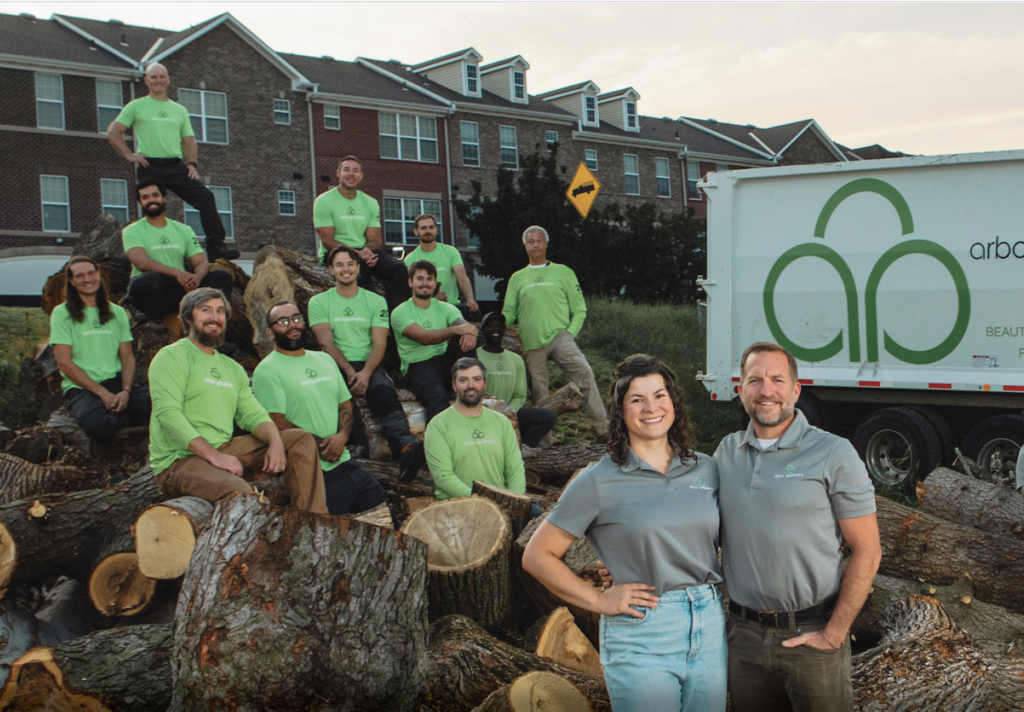
...From Humble Beginnings to a Thriving Legacy This year marks an extraordinary milestone—20 years of Arbor Aesthetics Tree Service serving the Omaha community with heart, hustle, and a commitment to excellence. What began as a one-man operation with a hand saw, a ladder, and a borrowed pickup truck has blossomed into a thriving tree care …
...Understanding common tree diseases is crucial for maintaining the health of your trees. Many homeowners are unaware of the signs and symptoms that indicate their trees may be suffering from diseases such as root rot, leaf spot, or cankers. Early detection can significantly improve the chances of recovery and prevent further damage to the surrounding landscape.
For example, root rot often manifests as yellowing leaves and stunted growth, while leaf spot may present as dark spots on the foliage. By familiarizing yourself with these symptoms, you can take proactive measures, such as consulting with a tree care professional, to address the issues before they escalate.
Regular tree maintenance is essential for the longevity and health of your trees. Routine services such as pruning, trimming, and inspections can prevent potential hazards and improve the overall aesthetics of your property. Well-maintained trees not only enhance curb appeal but also contribute to a healthier environment.
For instance, proper pruning techniques can promote better air circulation and sunlight exposure, which are vital for tree growth. Additionally, maintaining your trees can help reduce the risk of falling branches during storms, protecting both your property and the safety of those around you.
Selecting the right tree species for your landscape is a critical decision that can impact your property for years to come. Factors such as climate, soil type, and available space should be considered to ensure that the tree thrives in its new environment. Choosing native species can also enhance biodiversity and support local wildlife.
For example, trees like the Northern Red Oak or Eastern Redbud are well-suited for the Omaha area due to their adaptability to local conditions. Consulting with a tree care expert can provide valuable insights into the best options for your specific landscape needs.
Trees play a vital role in urban environments, contributing to air quality, temperature regulation, and stormwater management. Urban trees can help mitigate the heat island effect, improve air quality by filtering pollutants, and provide habitats for various species. Understanding their environmental benefits is essential for promoting tree planting initiatives in cities.
For instance, studies have shown that a well-planned urban forest can reduce energy costs by providing shade and lowering temperatures in residential areas. By investing in tree care and planting programs, communities can work towards a more sustainable and healthier urban ecosystem.
Understanding common tree diseases is crucial for maintaining the health of your trees. Many homeowners are unaware of the signs and symptoms that indicate their trees may be suffering from diseases such as root rot, leaf spot, or cankers. Early detection can significantly improve the chances of recovery and prevent further damage to the surrounding landscape.
For example, root rot often manifests as yellowing leaves and stunted growth, while leaf spot may present as dark spots on the foliage. By familiarizing yourself with these symptoms, you can take proactive measures, such as consulting with a tree care professional, to address the issues before they escalate.
Regular tree maintenance is essential for the longevity and health of your trees. Routine services such as pruning, trimming, and inspections can prevent potential hazards and improve the overall aesthetics of your property. Well-maintained trees not only enhance curb appeal but also contribute to a healthier environment.
For instance, proper pruning techniques can promote better air circulation and sunlight exposure, which are vital for tree growth. Additionally, maintaining your trees can help reduce the risk of falling branches during storms, protecting both your property and the safety of those around you.
Selecting the right tree species for your landscape is a critical decision that can impact your property for years to come. Factors such as climate, soil type, and available space should be considered to ensure that the tree thrives in its new environment. Choosing native species can also enhance biodiversity and support local wildlife.
For example, trees like the Northern Red Oak or Eastern Redbud are well-suited for the Omaha area due to their adaptability to local conditions. Consulting with a tree care expert can provide valuable insights into the best options for your specific landscape needs.
Trees play a vital role in urban environments, contributing to air quality, temperature regulation, and stormwater management. Urban trees can help mitigate the heat island effect, improve air quality by filtering pollutants, and provide habitats for various species. Understanding their environmental benefits is essential for promoting tree planting initiatives in cities.
For instance, studies have shown that a well-planned urban forest can reduce energy costs by providing shade and lowering temperatures in residential areas. By investing in tree care and planting programs, communities can work towards a more sustainable and healthier urban ecosystem.