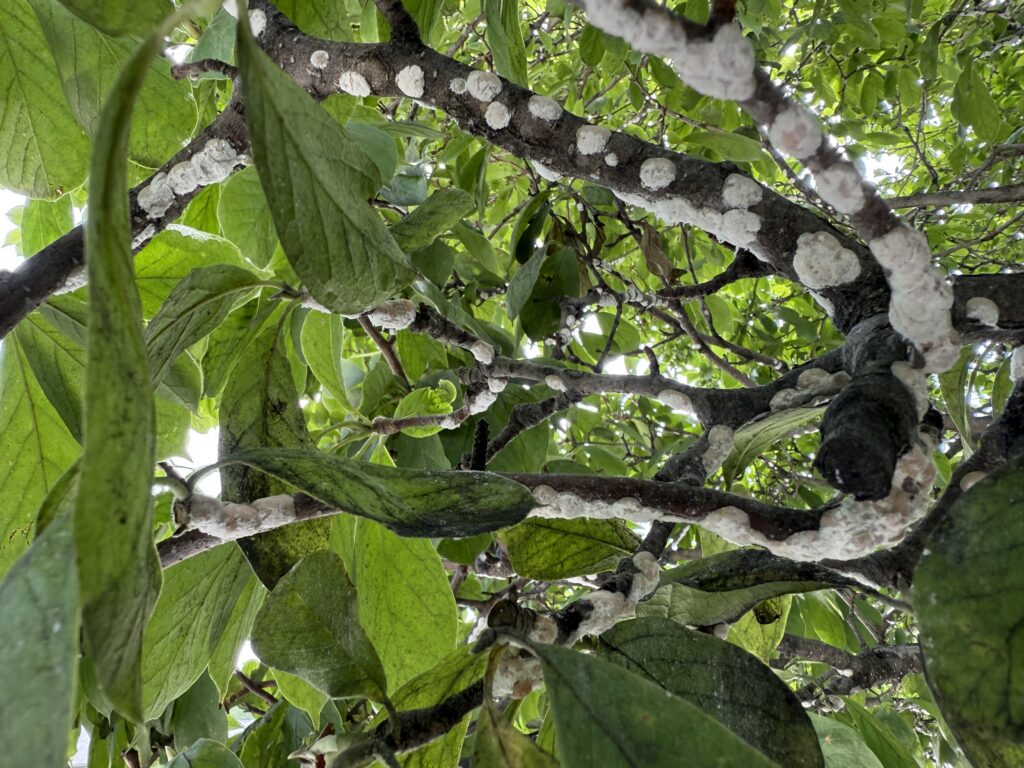
Mimosa Webworm If you’ve noticed browning clusters of leaves on your honeylocust or mimosa trees, wrapped in messy webs, you may be dealing with mimosa webworm. These web-building caterpillars feed on foliage, causing the tree to appear scorched from midsummer through fall. What seems to be an emerging pattern here in Omaha is that we’re …
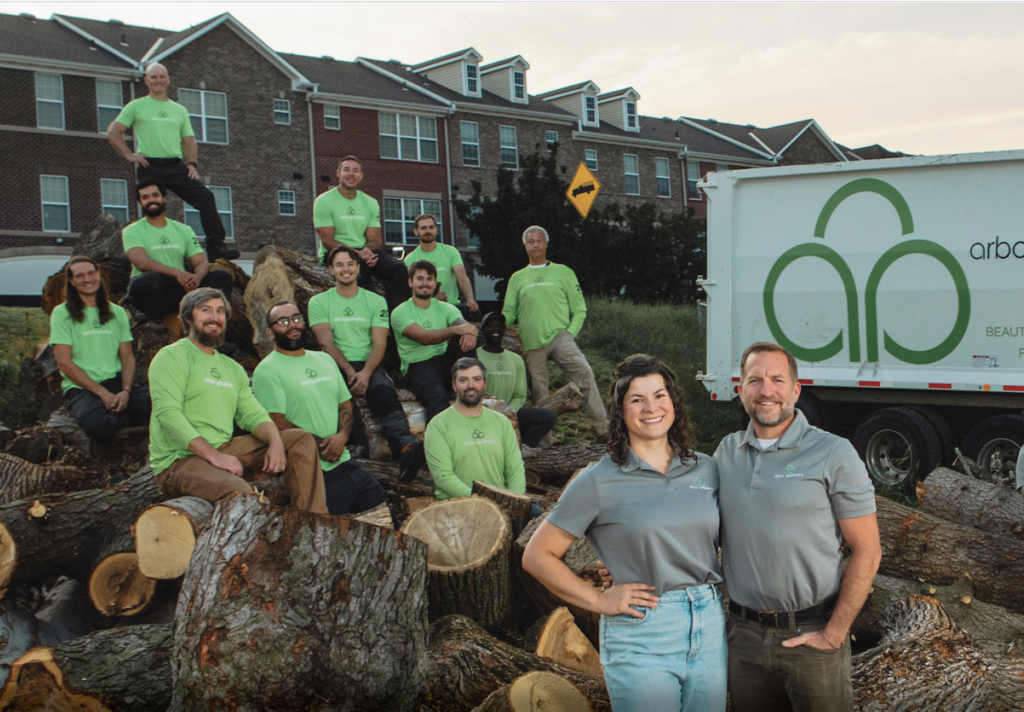
...From Humble Beginnings to a Thriving Legacy This year marks an extraordinary milestone—20 years of Arbor Aesthetics Tree Service serving the Omaha community with heart, hustle, and a commitment to excellence. What began as a one-man operation with a hand saw, a ladder, and a borrowed pickup truck has blossomed into a thriving tree care …
...Tree health is crucial for the longevity and beauty of your landscape. Regular maintenance, including pruning, watering, and disease management, ensures that trees thrive in their environment. Homeowners should be aware of the signs of unhealthy trees, such as wilting leaves, unusual growth patterns, or pest infestations.
For instance, proper pruning techniques can enhance air circulation and light penetration, which are vital for tree health. Additionally, understanding the specific needs of different tree species can help in providing tailored care, leading to a more vibrant and resilient urban forest.
Omaha's diverse climate can lead to various pest issues that affect local trees. Identifying and managing these pests is essential for maintaining tree health and aesthetic appeal. Common pests include aphids, spider mites, and the infamous Emerald Ash Borer, which can cause significant damage if left untreated.
For effective pest management, homeowners should consider both preventive measures and treatment options. Integrated Pest Management (IPM) strategies, which combine biological, cultural, and chemical controls, can be particularly effective in safeguarding trees from pest infestations while minimizing harm to the environment.
Tree planting plays a vital role in enhancing urban environments by improving air quality, providing shade, and supporting local wildlife. Urban trees contribute to the overall aesthetic of neighborhoods and can increase property values, making them an essential part of city planning.
Moreover, community tree planting initiatives can foster a sense of belonging and responsibility among residents. Engaging local volunteers in planting efforts not only beautifies the area but also educates them on the importance of trees and their care, promoting a culture of environmental stewardship.
Seasonal changes require different care strategies for trees to ensure their health and vitality. Understanding the specific needs of trees during spring, summer, fall, and winter can help homeowners provide optimal care throughout the year.
For example, spring is an ideal time for pruning and fertilizing, while fall is perfect for deep watering and mulching to prepare trees for winter. By following seasonal care guidelines, homeowners can enhance their trees' resilience against pests and diseases, ensuring they remain healthy year-round.