Winter Tree Pruning and Removal in Eastern Nebraska: Why Winter Is the Best Time
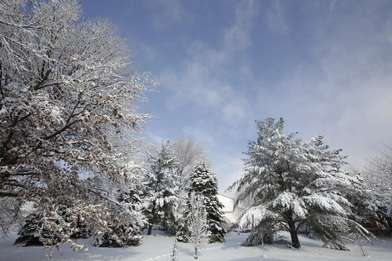
Winter weather has officially arrived in eastern Nebraska. As temperatures drop, the last of the leaves cling to branches while frigid northerly winds prepare to sweep them away. Meanwhile, as homeowners finish their final lawn cleanups and put garden tools away, many assume the landscape season has ended. However, even in winter, one critical part of your landscape still demands attention: your trees. For this reason, winter is the ideal time to plan professional winter tree work to protect tree health, improve safety, and prepare your property for spring.
Winter Is the Ideal Time to Prune and Remove Trees
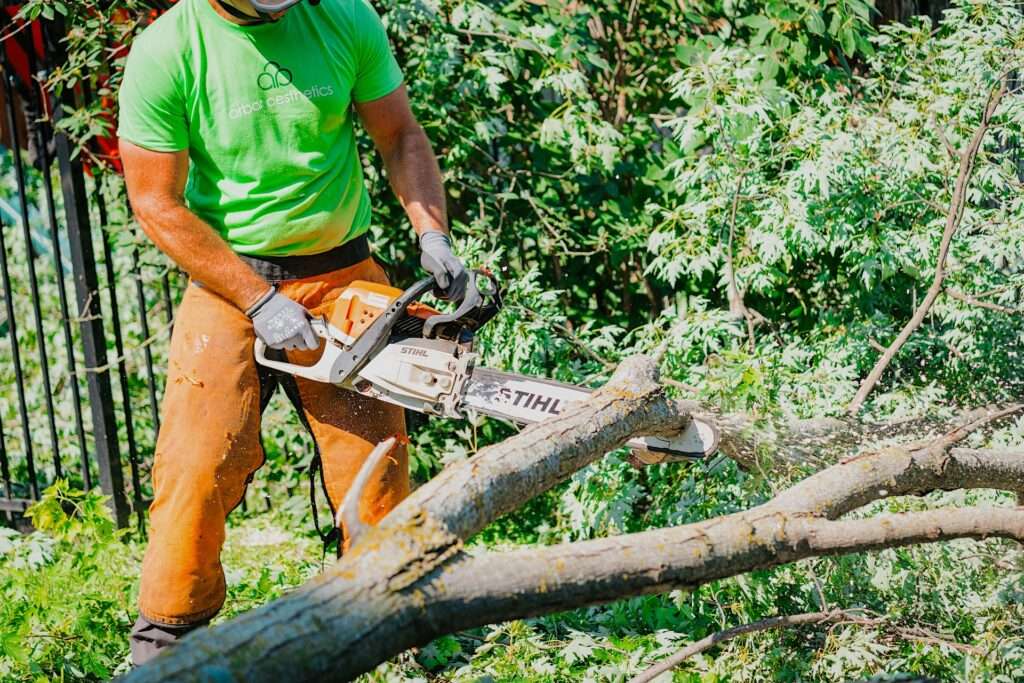
Shorter days and colder temperatures push trees into dormancy, which makes winter the ideal time for tree pruning and tree removal. Instead of investing energy into new leaves and shoot growth, dormant trees slow their activity and conserve resources—making them better positioned to tolerate pruning without the added stress of active growing-season demands. Winter conditions also create a safer, more efficient work environment for both the tree and the arborist, especially when the canopy is easier to evaluate and access.
Although working on trees without leaves may seem counterintuitive, winter pruning offers several clear advantages. Without foliage blocking visibility, arborists can assess branch structure more accurately, identify poorly attached limbs, and make more strategic pruning cuts that support long-term strength and form.
A certified arborist can also more easily distinguish live branches from dead branches during winter. Even after leaf drop, many trees retain visible buds and structural indicators that help confirm branch health and future growth potential. Buds form before spring growth begins and remain protected through dormancy, allowing trained professionals to evaluate the canopy and target deadwood, hazards, and structural defects more precisely.[i]
[i] https://www.arborday.org/perspectives/arborist-advice-why-should-you-prune-your-trees-during-dormant-season
Benefits of Winter Tree Pruning and Removal
Less Stress on Trees
Pruning during dormancy places less physiological stress on trees because growth has slowed and energy demands are lower. With less active leaf production and reduced metabolic activity, trees can better tolerate pruning cuts without sacrificing vigor, making winter an ideal time to improve structure and remove deadwood.
Reduced Risk of Disease
Certain species—especially oak and elm—are more vulnerable to serious diseases when pruned during the growing season. For example, oak pruning at the wrong time can increase the risk of oak wilt transmission, while elm pruning during active seasons can increase exposure to pests and pathogens associated with Dutch elm disease. Winter pruning significantly reduces disease pressure because many disease-spreading insects are inactive and fresh wounds are less likely to attract vectors.
More Precise Pruning
Without foliage blocking visibility, arborists can clearly assess the tree’s structure, branch spacing, and overall form. This makes it easier to identify weak branch unions, crossing limbs, and long-term structural issues—allowing for cleaner, more strategic cuts that improve both safety and appearance.
Faster Spring Recovery
Although the work is performed in winter, trees respond efficiently once spring growth begins. Dormant-season pruning positions the tree to allocate energy toward healthy new growth, and the tree’s natural growth cycle supports wound closure and recovery as temperatures rise.
Minimal Lawn and Property Impact
Winter is often one of the best seasons for large pruning jobs and removals because frozen or firm ground helps support equipment with less damage to turf. This reduces the chances of ruts, soil displacement, and compaction-related lawn repairs—especially compared to wet spring conditions.
Lower Winter Pricing
Winter is typically the slow season for tree work, which is why many companies offer reduced pricing during this time to keep crews productive year-round. For homeowners, this creates an opportunity to address pruning needs and removals at a lower cost—while also positioning the property for a safer, cleaner start to spring.
Schedule Professional Winter Tree Service
If you’re considering tree pruning or tree removal, winter offers unmatched benefits for both tree health and your property. During dormancy, trees experience less stress from pruning, and the leaf-free canopy allows arborists to clearly evaluate structure, hazards, and long-term growth patterns. Winter conditions can also reduce the risk of spreading certain seasonal diseases and make removal work easier on lawns and landscaping.
Working with a professional arborist ensures safe, precise, and cost-effective results. A trained crew has the experience and equipment to handle difficult cuts, manage heavy limbs over homes or driveways, and remove trees efficiently while minimizing damage to surrounding property. Most importantly, professional pruning focuses on long-term tree health—helping your trees enter spring stronger, safer, and better prepared for the growing season ahead.
Winter is the IDEAL time to prune And Remove trees
Shorter days and colder temperatures push trees into dormancy. As a result, dormancy provides the ideal time to prune trees. At first, many homeowners assume arborists struggle to determine which branches need removal once leaves fall; however, trained professionals have no difficulty making that assessment. Instead, an experienced arborist identifies live branches versus dead branches in winter by checking for buds. Because trees form buds at the end of summer, those buds clearly indicate which branches remain alive throughout winter.
The Benefits of Winter Tree Work:
- Less stressful for live trees
Pruning during dormancy places less physiological stress on trees because growth has slowed and energy demands are lower. Winter pruning allows you to improve structure and remove deadwood without competing against active growing-season growth requirements. Additionally, “pruning trees before new growth begins exposes then to less stress and allows for more robust new growth in the spring.”[i] - Disease management (especially for oaks and elms)
Certain trees—especially oak trees[ii]—face a higher risk of disease transmission when pruning occurs during warm months. Pruning in the winter reduces exposure to insects that can spread disease, making dormant-season pruning a safer option for many susceptible species. - More precise pruning
Without leaves blocking visibility, arborists can see the branch structure more clearly and identify weak unions, crossing limbs, deadwood, and structural defects. This improved visibility supports cleaner, more accurate cuts and better long-term pruning decisions.[iii] - Improved recovery in spring
While pruning happens in winter, trees respond most actively once growth resumes in spring. Dormant-season pruning positions the tree to direct energy into healthy new growth as the season changes, supporting better recovery and stronger performance in the next growing cycle. - Reduced impact to your lawn and property
Winter conditions can make removals and large pruning jobs easier on your landscape because frozen ground provides a firmer surface for equipment and foot traffic. This helps reduce ruts and turf damage compared to wetter months when soil is soft and easily disturbed. - Lower prices during the slow season
Winter is often the slow season for tree work, which means many companies offer lower pricing to keep crews active throughout the colder months. For homeowners, this can be one of the best opportunities to schedule professional pruning or removal at a reduced cost before spring demand increases.
[i] https://www.arborday.org/perspectives/arborist-advice-why-should-you-prune-your-trees-during-dormant-season
[ii] https://www.michigan.gov/invasives/news/2025/11/06/choose-winter-pruning-to-help-prevent-oak-wilt?
[iii] https://www.arborday.org/perspectives/arborist-advice-why-should-you-prune-your-trees-during-dormant-season
- Less stressful for live trees
Resources
US Forest Service Tree Owner’s Manual: https://arboraesthetics.com/tree-owners-manual/
download link: https://usfs-public.app.box.com/v/TreeOwnersManual