Now is NOT the time to trim your elm tree! The low-down on Dutch Elm Disease.

Dutch Elm Disease ranks as one of the most destructive shade tree diseases in North America. This serious fungal infection targets American elms and can cause major decline over time. In many cases, Dutch Elm Disease kills individual branches first. Then, over one to several years, it spreads throughout the canopy and kills the entire tree. Just as importantly, Dutch Elm Disease can spread to nearby elms, which puts entire streets and neighborhoods at risk when homeowners ignore early warning signs.

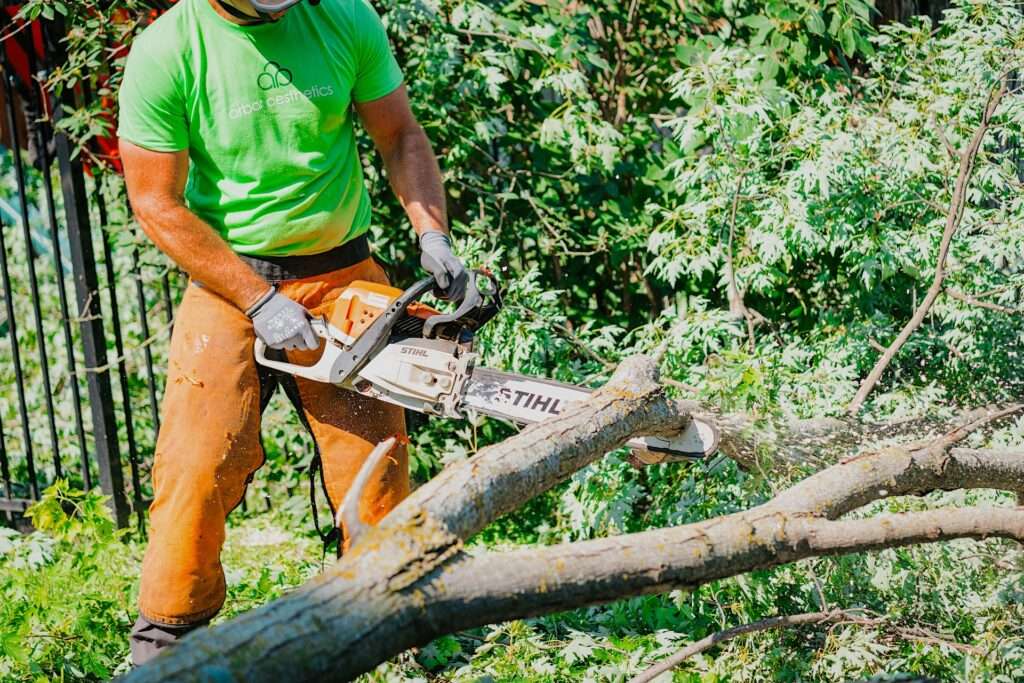
At Arbor Aesthetics, we strongly recommend NOT trimming your elm tree between April and October when the trees are leafing. This prevention step matters because pruning during this period increases beetle activity and exposes fresh wounds, which raises the risk of Dutch Elm Disease spread.
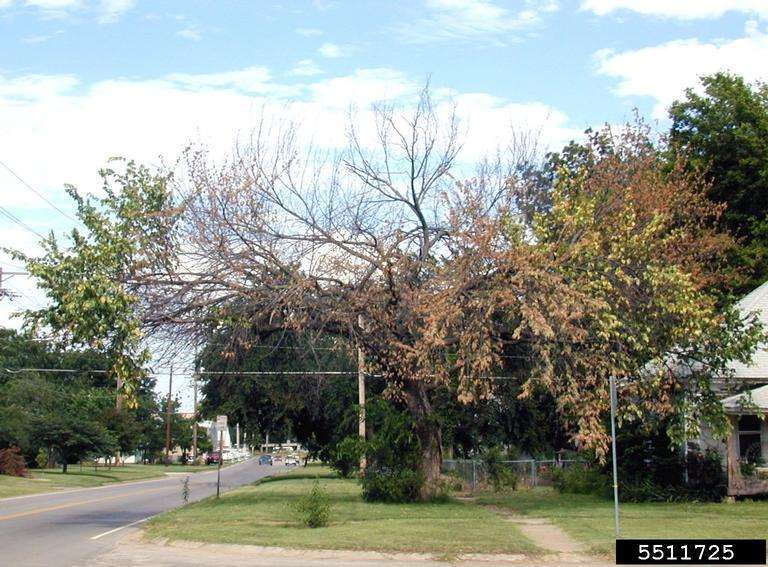
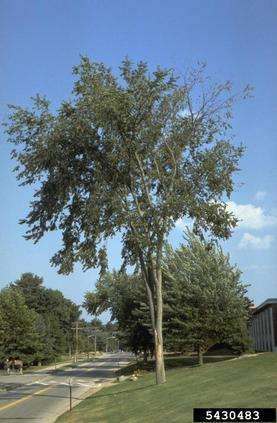
Dutch Elm Disease
Photo by Brian Olson, Oklahoma State University.

How is Dutch Elm Disease contracted?

Although Dutch Elm Disease is now well-established across North America, it was first introduced to the United States on diseased elm logs from Europe prior to 1930. Today, a tree can contract Dutch Elm Disease in two primary ways:

  • Elm bark beetles

First, Dutch elm disease is commonly spread by elm bark beetles. These beetles are attracted to stressed, dying, or dead elm wood because it provides an ideal environment for the breeding stage of their life cycle. After eggs are laid beneath the bark, the larvae hatch and feed on the inner bark and sapwood.

If Dutch elm disease is present in that host tree, the fungus produces sticky spores. These spores cling to adult beetles as they emerge. From there, the adult beetles fly to healthy elm trees and transfer the spores while feeding, which can start a new Dutch elm disease infection in an otherwise healthy tree.

  • Grafted roots (root-to-root spread)

In addition to insect spread, Dutch elm disease can also move underground through grafted roots. When elms (or closely related tree species) grow near each other, their roots may cross in the soil. Over time, those roots can fuse together, forming a natural connection.

If one elm becomes infected, the Dutch elm disease fungus can travel through the connected root system and move into neighboring trees. In these cases, symptoms may spread quickly, and a tree infected through root grafting can decline rapidly as the fungus is carried upward through the sapstream.https://content.ces.ncsu.edu/dutch-elm-disease-1

What Are the Symptoms of Dutch Elm Disease?

Dutch elm disease acts as a vascular disease, which means it attacks the internal system an elm tree uses to move water and nutrients through the canopy. As the fungus spreads through the vascular tissue, it blocks normal water movement in the branches and trunk. When the tree can’t move water efficiently, the canopy starts to show stress. In some cases, symptoms appear on one branch or in one section of the crown first. Then they spread outward.

One of the earliest signs homeowners notice is leaf wilting. At first, leaves look slightly off-color or limp. As the infection progresses, foliage curls, droops, or hangs loosely, even when soil moisture seems adequate. Next, leaves turn yellow, then brown, and drop earlier than they should. Homeowners often notice this early leaf drop during the growing season, when healthy elms should look full, green, and vigorous.

Along with leaf changes, the tree often shows thinning in the canopy and dieback in certain branches. The tree loses the ability to support normal growth, so affected limbs start to weaken and decline. Over time, symptoms spread from one area into multiple limbs. This pattern often creates an uneven or sparse crown. Since these symptoms can worsen quickly, you should not ignore early warning signs, even if only a small part of the canopy looks affected at first.

The photo to the right shows early symptoms, including wilting and yellowing foliage. If you notice these changes on your elm tree, act quickly. Early diagnosis gives you more management options, supports overall tree health, and lowers the risk of spread through the canopy or into nearby elm trees.

How Is Dutch Elm Disease Treated and Prevented?

When it comes to managing this disease, timing matters most. Early detection and prompt treatment give your elm the best chance of survival. The fungus moves through the tree’s vascular system, so it can travel quickly from one branch into larger sections of the canopy. If you act early, you can often protect the tree and slow further decline.

If you notice suspicious symptoms on any of your elm trees, contact a professional right away. Call Arbor Aesthetics, and our certified arborists will evaluate the tree and explain the best treatment options. We base our recommendations on the severity of the infection, the tree’s overall condition, and the risk to nearby elms.

Pruning infected branches

In some cases, careful pruning can slow the spread and protect the rest of the canopy. This approach works best when you catch the problem early and symptoms affect only a small area of the tree.

You must prune correctly and at the right time of year. Fresh cuts can attract bark beetles, and poor timing can increase the risk of spread. One of our certified arborists will confirm whether pruning alone will work or whether the tree needs additional protection.

Fungicide injections

In addition to pruning, trunk injections can help protect certain elm trees. Some fungicides protect healthy elms from infection carried by elm bark beetles. In some situations, they can also slow disease progression.

However, fungicide injections require ongoing maintenance. You may need repeat treatments every one to three seasons, depending on the product, the tree’s health, and local disease pressure. In some cases, injections can also stress the tree, so an arborist should assess the tree before you move forward.

Protecting Your Elm Trees Long-Term

Ultimately, the best defense against Dutch elm disease starts with a proactive approach. Monitor your elm trees regularly, respond quickly to suspicious symptoms, and work with a professional for guidance. With the right strategy, you can protect many elm trees—especially when you catch the disease early.
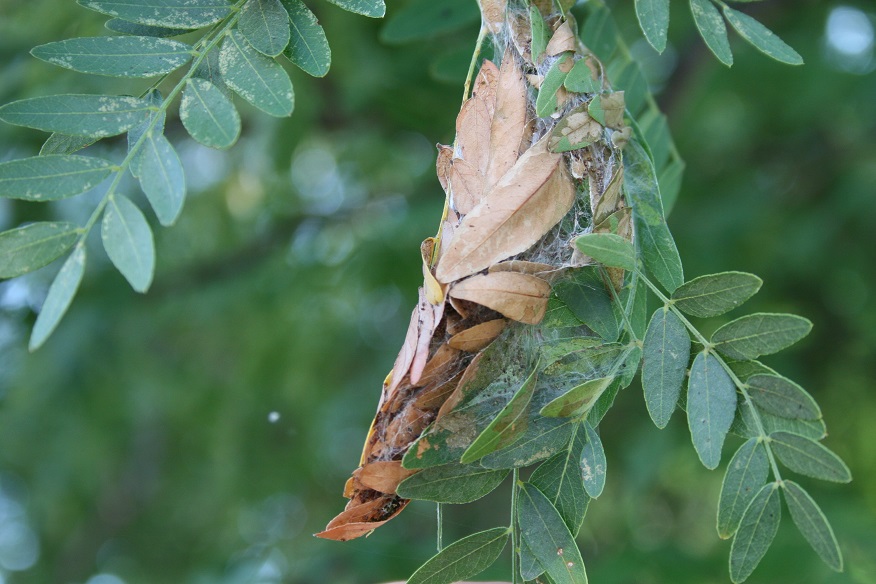
Dutch Elm Diesae
Courtesy of Cheryl Kaiser, University of Kentucky.

Dutch Elm Disease ranks as one of the most destructive shade tree diseases in North America. This serious fungal infection targets American elms and can cause major decline over time. In many cases, Dutch Elm Disease kills individual branches first. Then, over one to several years, it spreads throughout the canopy and kills the entire tree. Just as importantly, Dutch Elm Disease can spread to nearby elms, which puts entire streets and neighborhoods at risk when homeowners ignore early warning signs.

At Arbor Aesthetics, we strongly recommend NOT trimming your elm tree between April and October when the trees are leafing. This prevention step matters because pruning during this period increases beetle activity and exposes fresh wounds, which raises the risk of Dutch Elm Disease spread.

Dutch Elm Disease
Photo by Brian Olson, Oklahoma State University.

How is Dutch Elm Disease contracted?

Although Dutch Elm Disease is now well-established across North America, it was first introduced to the United States on diseased elm logs from Europe prior to 1930. Today, a tree can contract Dutch Elm Disease in two primary ways:

  • Elm bark beetles

First, Dutch elm disease is commonly spread by elm bark beetles. These beetles are attracted to stressed, dying, or dead elm wood because it provides an ideal environment for the breeding stage of their life cycle. After eggs are laid beneath the bark, the larvae hatch and feed on the inner bark and sapwood.

If Dutch elm disease is present in that host tree, the fungus produces sticky spores. These spores cling to adult beetles as they emerge. From there, the adult beetles fly to healthy elm trees and transfer the spores while feeding, which can start a new Dutch elm disease infection in an otherwise healthy tree.

  • Grafted roots (root-to-root spread)

In addition to insect spread, Dutch elm disease can also move underground through grafted roots. When elms (or closely related tree species) grow near each other, their roots may cross in the soil. Over time, those roots can fuse together, forming a natural connection.

If one elm becomes infected, the Dutch elm disease fungus can travel through the connected root system and move into neighboring trees. In these cases, symptoms may spread quickly, and a tree infected through root grafting can decline rapidly as the fungus is carried upward through the sapstream.https://content.ces.ncsu.edu/dutch-elm-disease-1

What Are the Symptoms of Dutch Elm Disease?

Dutch elm disease acts as a vascular disease, which means it attacks the internal system an elm tree uses to move water and nutrients through the canopy. As the fungus spreads through the vascular tissue, it blocks normal water movement in the branches and trunk. When the tree can’t move water efficiently, the canopy starts to show stress. In some cases, symptoms appear on one branch or in one section of the crown first. Then they spread outward.

One of the earliest signs homeowners notice is leaf wilting. At first, leaves look slightly off-color or limp. As the infection progresses, foliage curls, droops, or hangs loosely, even when soil moisture seems adequate. Next, leaves turn yellow, then brown, and drop earlier than they should. Homeowners often notice this early leaf drop during the growing season, when healthy elms should look full, green, and vigorous.

Along with leaf changes, the tree often shows thinning in the canopy and dieback in certain branches. The tree loses the ability to support normal growth, so affected limbs start to weaken and decline. Over time, symptoms spread from one area into multiple limbs. This pattern often creates an uneven or sparse crown. Since these symptoms can worsen quickly, you should not ignore early warning signs, even if only a small part of the canopy looks affected at first.

The photo to the right shows early symptoms, including wilting and yellowing foliage. If you notice these changes on your elm tree, act quickly. Early diagnosis gives you more management options, supports overall tree health, and lowers the risk of spread through the canopy or into nearby elm trees.

How Is Dutch Elm Disease Treated and Prevented?

When it comes to managing this disease, timing matters most. Early detection and prompt treatment give your elm the best chance of survival. The fungus moves through the tree’s vascular system, so it can travel quickly from one branch into larger sections of the canopy. If you act early, you can often protect the tree and slow further decline.

If you notice suspicious symptoms on any of your elm trees, contact a professional right away. Call Arbor Aesthetics, and our certified arborists will evaluate the tree and explain the best treatment options. We base our recommendations on the severity of the infection, the tree’s overall condition, and the risk to nearby elms.

Pruning infected branches

In some cases, careful pruning can slow the spread and protect the rest of the canopy. This approach works best when you catch the problem early and symptoms affect only a small area of the tree.

You must prune correctly and at the right time of year. Fresh cuts can attract bark beetles, and poor timing can increase the risk of spread. One of our certified arborists will confirm whether pruning alone will work or whether the tree needs additional protection.

Fungicide injections

In addition to pruning, trunk injections can help protect certain elm trees. Some fungicides protect healthy elms from infection carried by elm bark beetles. In some situations, they can also slow disease progression.

However, fungicide injections require ongoing maintenance. You may need repeat treatments every one to three seasons, depending on the product, the tree’s health, and local disease pressure. In some cases, injections can also stress the tree, so an arborist should assess the tree before you move forward.

Protecting Your Elm Trees Long-Term

Ultimately, the best defense against Dutch elm disease starts with a proactive approach. Monitor your elm trees regularly, respond quickly to suspicious symptoms, and work with a professional for guidance. With the right strategy, you can protect many elm trees—especially when you catch the disease early.

Dutch Elm Diesae
Courtesy of Cheryl Kaiser, University of Kentucky.

Latest Posts

You Might Also Like