
Choosing a tree involves more than picking what looks good at the nursery. Responsible planting starts with selecting the “right tree for the right place.” When you plan ahead, you reduce future pruning needs, avoid common conflicts, and help your tree thrive for decades.
First, ask yourself: what do you want the tree to do?
Shade is one of the biggest benefits of planting a tree. Trees cool your yard by blocking sunlight, and they add moisture to the air through transpiration. Since the sun’s path changes throughout the year, plan for where you want shade during the hottest part of summer and at the time of day you need it most.

Trees add height, color, texture, and structure to a landscape. They can frame your home, soften open spaces, and create a more finished look. Before you plant, consider how the tree will look from the street and from inside your home.
For privacy, low-branching conifers provide coverage year-round. However, a mix of evergreen and deciduous trees can also work well while adding variety. In addition, trees can reduce wind, dust, noise, and light when planted strategically.
If you want to define property lines, a small, narrow-crowned tree can provide structure without taking up too much space.
This is one of the most overlooked factors when choosing a tree. A tree that looks small now will look very different in 10–20 years. Because of that, always consider mature height, canopy spread, and root space before planting.
Although pruning can help keep branches off sidewalks, driveways, and roofs, choosing the right tree from the start reduces long-term maintenance. In other words, planning now helps you pick the best tree to plant in that exact spot.

Trees mature into a variety of canopy shapes.
Young trees often look similar at the nursery, but crown shape changes everything over time. Some trees develop wide canopies, while others stay more upright. By researching mature crown shape now, you avoid future crowding and conflicts.

Typical root spread of a mature tree.
The best tree to plant is one that matches your soil, drainage, light conditions, and climate.
Start by identifying your soil type. Sandy soil drains quickly and often needs more frequent watering. Clay-heavy soil holds water longer and can lead to root problems if drainage is poor.
To test drainage:
If the water drains in fewer than three hours, the site has excellent drainage. Also, keep in mind that compacted soil (often found in high-traffic areas) drains poorly and limits root growth.
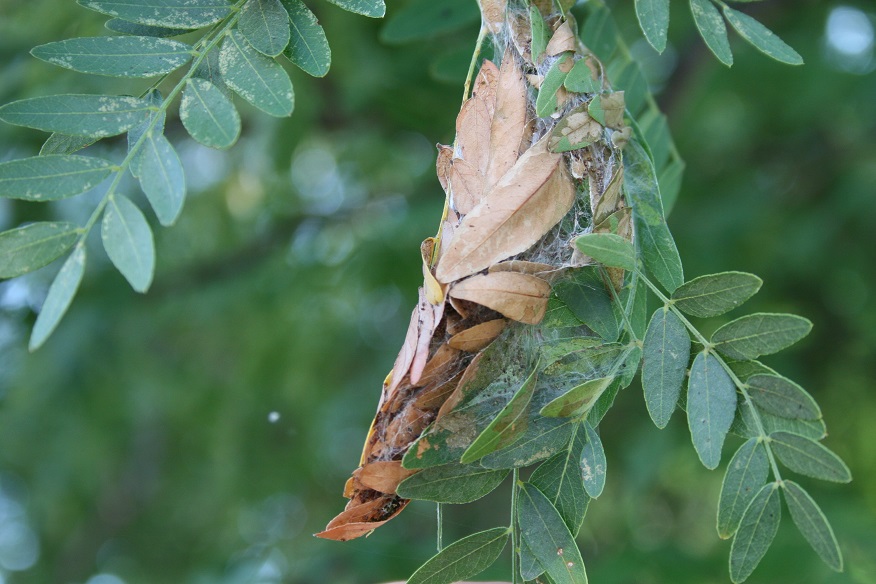
Research common pests and diseases before selecting a tree. If you want fewer long-term issues, choose species or cultivars with better resistance. For example, Valley Forge Elm resists Dutch Elm Disease more effectively than American Elm. Trees like Ginkgo and Bur Oak also resist many pests.
Omaha, Nebraska falls in Hardiness Zones 5–6. Because of that, choose trees that can handle winter cold, summer heat, and rapid seasonal changes. Always confirm that a tree fits our local climate before planting.
Match the tree to the sunlight in your yard. Some trees need full sun, while others tolerate shade. Take note of how much light the planting site receives throughout the day and how that changes as nearby trees leaf out.
Drainage makes a big difference in tree success. Here are some solid options based on drainage conditions.

Nope
Every tree drops something. Because of that, think about how much cleanup you’re willing to do and where you plan to plant.